Asphalt paving and sealcoating for commercial lots: summer scheduling and costs
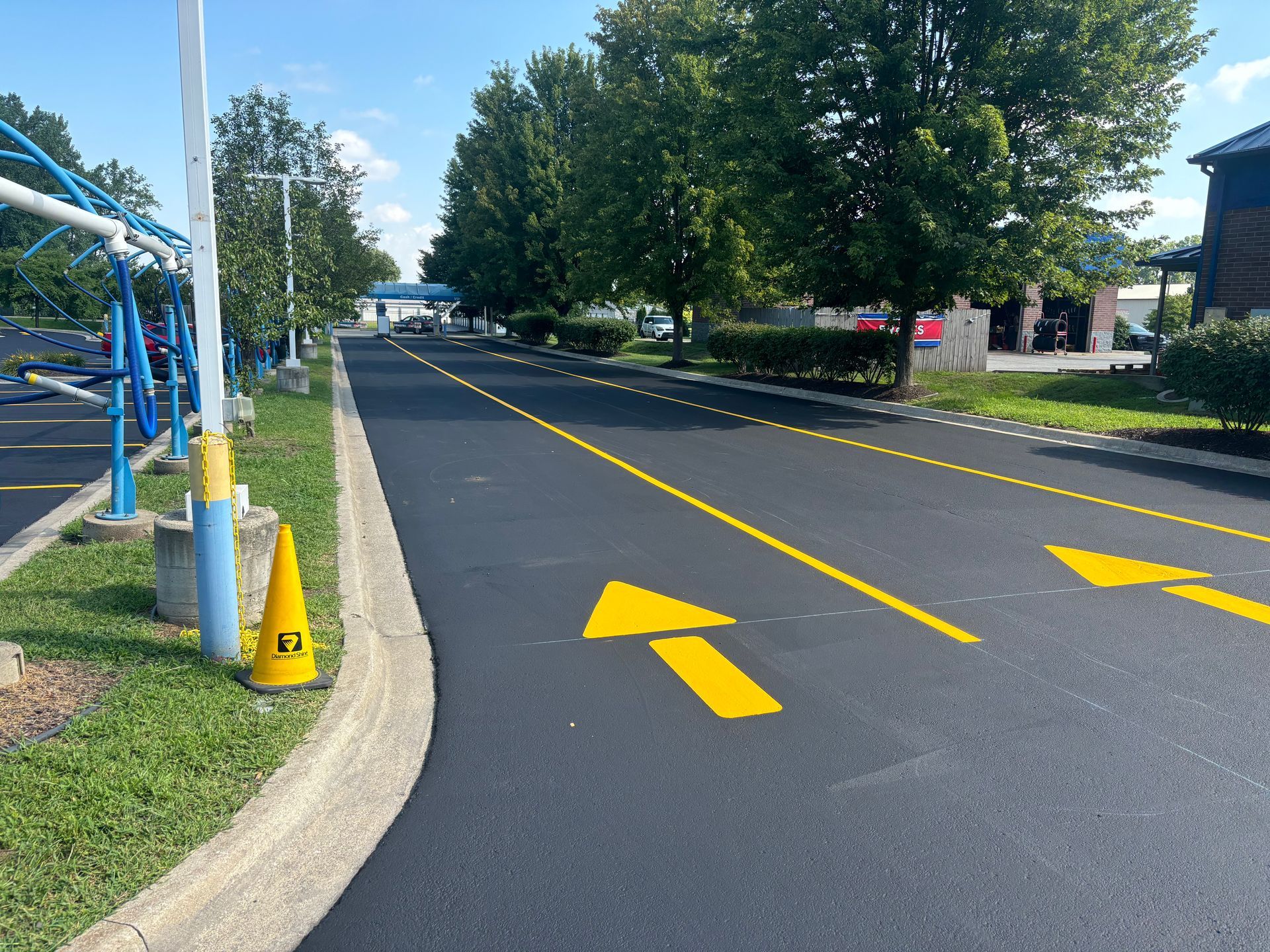
Summer is prime time for refreshing commercial asphalt in the Chicago suburbs. Warm, stable weather helps new asphalt and protective coatings cure correctly, reduces downtime risk, and shortens the path to reopening your lot. For property managers, that means fewer tenant complaints and fewer rain delays.
If you manage a retail center, office park, industrial site, or HOA roads, you are balancing budgets, safety, and schedules across multiple stakeholders. The right plan can capture summer’s weather window while keeping your site accessible. This guide explains when and why to schedule asphalt paving, overlays, and sealcoating in Chicagoland, what drives cost, and how to coordinate traffic control and line striping without disrupting operations.
Allied Construction and Property Maintenance Inc. delivers single-source planning and execution for asphalt, concrete, and multi-trade projects across Greater Chicago. With centralized project management, you get one point of contact from estimate through striping and re-opening.
Why summer is favored in Chicagoland
Asphalt materials and sealcoats are temperature sensitive. In the Chicago area, May through September typically provides the best combination of surface temperature, air temperature, and dry weather for installation and curing.
- For asphalt paving and mill-and-overlay: Daytime air and surface temperatures in the 70s to 90s support compaction, bond, and smooth finish. Warm surfaces reduce the risk of thermal segregation and help new lifts knit to the existing base.
- For sealcoating: Consistent warmth and sun speed water evaporation and film formation, which is essential for durability and uniform color. Summer also offers longer daylight periods, making staging and reopening easier.
Night or off-hour work can be scheduled in summer to limit disruption, but crews still monitor surface temperature and humidity to hit manufacturer specifications.
Paving, overlays, and patching, compared
Choosing the right scope starts with the base condition and traffic load.
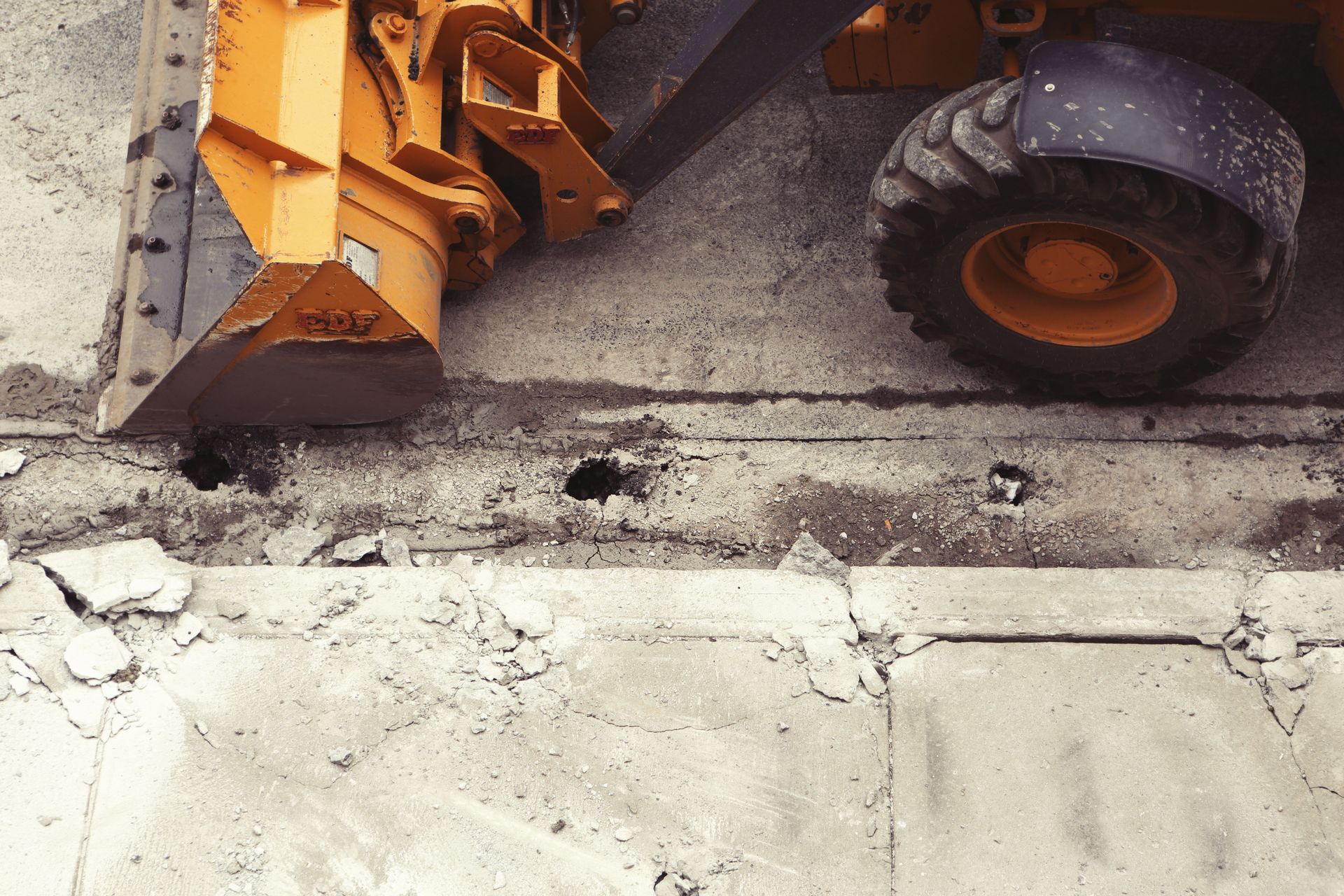
- Patching: Best for localized failures like potholes, utility cuts, and isolated alligator cracking. Crews saw-cut, remove distressed asphalt, repair the base if needed, and install new hot-mix patches. This is a surgical fix for limited areas, not a reset for a failing pavement system.
- Mill-and-overlay: Crews mill off the top layer, address fabric or failed sections, then pave a new surface course. This preserves elevations and curbs, refreshes ride quality, and extends life when the base is still stable. It is a strong choice for mid-life parking lots with widespread surface wear but no systemic base failure.
- Full-depth replacement: Required when base or subgrade is compromised across large areas, or when chronic rutting, pumping fines, or structural cracks indicate foundational issues. Crews remove the entire asphalt section, rebuild the aggregate base, and pave new lifts to spec. This carries the highest cost but resets service life.
Yes, new asphalt can go on top of old asphalt when the structure is sound. A properly designed mill-and-overlay bonds to the existing pavement, but it will not correct a failing base. Allied’s team cores, tests, and evaluates drainage to recommend the right approach for your site.
Sealcoating timing, temperatures, and curing
Sealcoating shields asphalt from UV, oxidation, and minor fluid spills while improving appearance and line visibility. In the Chicago area, late spring through early fall is ideal.
- Best time of year: Typically May through September, with June to August offering the most reliable curing window.
- What temperature is too cold: Most products specify a minimum 50 degrees Fahrenheit and rising, with no overnight lows below that threshold during curing. Colder surfaces slow film formation and can lead to tracking or early wear.
- When not to seal: Avoid sealcoating during active rain or when rain is forecast within 24 hours, on damp surfaces, during high winds that contaminate wet coating with dust and debris, or during heat spikes that can flash-dry the surface and affect adhesion. Newly paved lots usually need a waiting period before first sealcoat, often 30 to 90 days depending on mix design and weather.
Cure time varies by sun, shade, and humidity. Many commercial lots can reopen to traffic within 24 to 48 hours, but shaded or cool areas may require more time. Plan staging to keep priority entrances accessible.
Cost drivers for summer asphalt work
Budgets hinge on a few consistent variables. While Allied provides free site-specific estimates, you can plan around these drivers:
- Square footage: Larger areas reduce unit cost through efficiency, but total price scales with size.
- Base condition and drainage: Stable bases lower risk and cost. Soft subgrade, trapped water, or poor drainage increase prep, undercutting, and stabilization needs.
- Traffic load: Heavier vehicles and turning movements at docks, dumpster pads, or drive aisles may require thicker sections or reinforced details.
- Repair scope: Patching only, partial mill-and-overlay, or full-depth replacement set the baseline. Crack sealing, fabric, edge repairs, and curb work add cost as needed.
- Access and phasing: Night work, off-hour staging, and complex traffic control can increase labor. Multi-phase work is often worth it to keep tenants operating.
- Line striping and ADA compliance: Re-striping, curb painting, symbols, and ADA upgrades add line items but are essential for safety and code.
- Sealcoating specifics: Number of coats, material selection, and surface prep affect price.
How much should sealcoating cost? Pricing varies by market and site factors listed above. Expect per-square-foot pricing that reflects area, condition, number of coats, and layout complexity. Commercial sites with repair prep, multiple entrances, and phasing typically see higher unit rates than simple residential drives. Allied reviews your lot, documents conditions, and provides a clear, no-obligation estimate.
Scheduling, tenant coordination, and safety
Effective communication makes or breaks summer paving schedules. A property manager’s plan should include:
- Phase maps and notices: Provide tenants with dates, phases, and parking alternatives at least a week in advance, with reminders 24 to 48 hours before each phase.
- Traffic control plan: Use barricades, cones, temporary signage, and flaggers where appropriate. Coordinate emergency access and delivery windows.
- Weather contingencies: Build at least one weather day into each major phase. Summer pop-up storms are common in Chicagoland.
- Striping and reopening: Plan striping soon after paving or sealcoating once the surface is ready. Open aisles and accessible spaces first to restore function quickly.
Allied’s single point-of-contact project management streamlines phasing, communicates with tenants, and sequences trades like concrete curb repairs and ADA signage so your lot reopens cleanly.
Maintenance intervals that extend service life
- Crack sealing: Inspect annually. Seal active cracks to keep water out of the base.
- Sealcoating: Every 2 to 4 years for most commercial lots, depending on traffic and exposure.
- Pavement marking: Refresh striping after sealcoating and as visibility fades.
- Drainage checks: Keep inlets clear and confirm positive flow after major storms.
- Targeted patching: Address new failures promptly to prevent spread.
A disciplined maintenance cycle typically delays costly replacements and keeps your site safer and more attractive to tenants and customers.
Quick FAQ for property managers
- What time of year is best to sealcoat a driveway or commercial lot? In the Chicago area, late spring through early fall, with June to August offering the most reliable warm, dry conditions.
- How much should sealcoating cost? Prices vary by size, condition, number of coats, prep needs, and layout complexity. Commercial projects are usually priced per square foot after a site evaluation. Request a free estimate for accurate budgeting.
- When should you not seal your driveway or lot? Do not seal when rain is imminent, surfaces are damp, temperatures are below 50 degrees Fahrenheit and falling, or extreme heat and wind prevent proper curing. Newly paved areas often require a waiting period before first seal.
- What temperature is too cold to seal a driveway or lot? Below 50 degrees Fahrenheit is typically too cold for most products, especially if overnight lows drop further.
- Can you put new asphalt on top of old asphalt? Yes, if the underlying pavement and base are structurally sound. A mill-and-overlay is common. If the base is failing, plan for full-depth replacement instead.
Why partner with Allied Construction this summer
Since 2007, Allied Construction has served commercial owners and property managers across Greater Chicago with licensed, bonded, and insured crews. Asphalt, concrete, line striping, and coordinated traffic control are delivered under one roof, alongside in-house plumbing, HVAC, electrical, and general contracting. That single-source model reduces downtime and keeps tenants informed and safe.
- Free estimates and clear scopes
- Safety-first planning and ADA-aware striping
- Flexible night and off-hour scheduling
- Portfolio coordination across multiple properties
If you need a focused sealcoating plan in the western suburbs, explore our Naperville sealcoating services to see how we phase work to maintain access and curb appeal. For broader capital upgrades or tenant improvements, our Naperville general contractor team can coordinate paving alongside exterior renovations, signage, lighting, and more.
Next steps
Walk your lots now to flag base failures, drainage issues, and striping needs. Then contact Allied Construction for a free, site-specific estimate and a phased summer schedule. With disciplined planning, you can refresh your pavement, improve safety, and keep tenants operating with minimal disruption.
Internal resources you may find helpful:
- Learn how we phase and estimate protective coatings in our Naperville sealcoating service overview at alliedcpm.com.
- Coordinate exterior work across trades with our Naperville general contractor team for streamlined scheduling and single-point accountability.